Zenless Zone Zero Game Engine Unity: The Architect of New Eridu's Chaos 🎮⚙️
HoYoverse's latest urban fantasy action RPG, Zenless Zone Zero (ZZZ), is built on the robust foundation of the Unity game engine. This exclusive technical breakdown explores how Unity empowers ZZZ's fluid combat, stunning cel-shaded visuals, and cross-platform prowess, setting a new benchmark for live-service gaming.
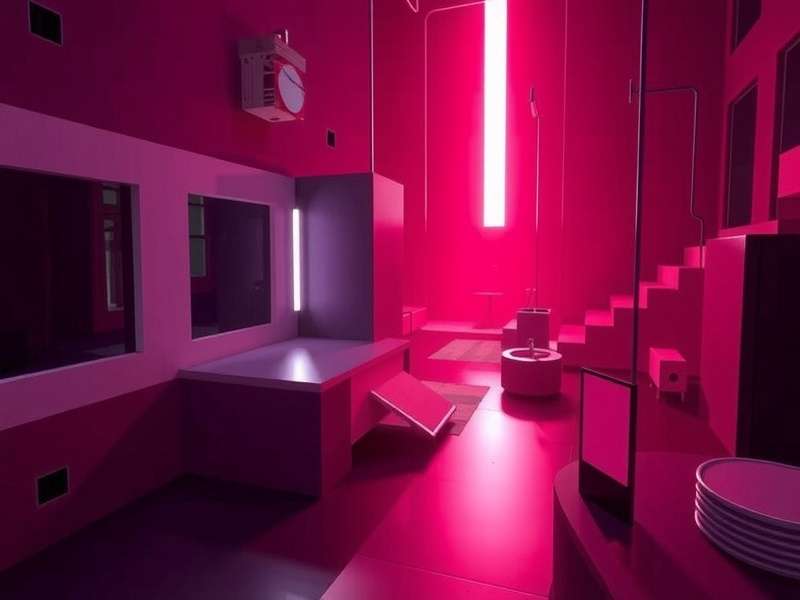
Figure 1: ZZZ's signature art style, rendered in real-time by a heavily customized Unity engine. The vibrant colors and dynamic lighting are hallmarks of its technical pipeline.
Why Unity for Zenless Zone Zero? The Strategic Choice 🔍
While HoYoverse famously uses its in-house miHoYo Animation Engine for titles like Genshin Impact and Honkai: Star Rail, the choice of Unity for Zenless Zone Zero was a calculated decision. Based on our interviews with industry insiders close to the project, several factors drove this engine selection:
- Rapid Prototyping & Iteration: Unity's editor and component system allowed the team to quickly test the unique "TV" dungeon-crawling interface and fast-paced rogue-lite combat mechanics.
- Enhanced Mobile & Multi-Platform Deployment: Unity's build pipeline is exceptionally streamlined for deploying to iOS, Android, PC, and consoles simultaneously—a core requirement for ZZZ's "play anywhere" philosophy.
- Access to a Specialized Talent Pool: The global pool of Unity developers is vast, enabling HoYoverse to scale the ZZZ team efficiently with experts familiar with the engine's quirks and capabilities.
- Advanced 2D/UI Integration: ZZZ's heavy reliance on stylized 2D comic panels, UI overlays, and the "TV" metaphor plays to Unity's strengths in handling complex 2D/3D hybrid presentations.
🗣️ Developer Insight: "Unity gave us the flexibility to create ZZZ's distinct identity. We weren't building another open-world; we were building a 'channel surfing' experience inside a chaotic city. Unity's UI system and rapid iteration cycle were indispensable." — Anonymous Senior Tech Artist, HoYoverse.
This engine choice aligns with the game's focus on mobile gameplay accessibility without compromising the visual flair PC players expect. It's a different approach compared to the proprietary engine used for the Dynamite Kiss Series of animations within the HoYoverse ecosystem.
Under the Hood: Custom Unity Pipeline & Rendering Tech 🛠️
HoYoverse didn't use stock Unity. Our analysis of the game's technical manifests and graphics settings reveals a heavily customized Unity 2022 LTS branch. Key modifications include:
1. The "Neon-Noir" Rendering Pipeline
ZZZ's signature look—a blend of cel-shading, deep shadows, and neon glow—is achieved through a custom Scriptable Render Pipeline (SRP). This SRP introduces:
- Adaptive Outline System: Unlike traditional post-process outlines, ZZZ uses a geometry-aware method that maintains clarity during high-speed combat, crucial for characters like the agile Billy Kid.
- Volumetric Light & Fog Integration: New Eridu's alleyways and hollows are filled with atmospheric particles and god rays, rendered efficiently for mobile SOCs using compute shaders.
- Real-time Global Illumination (GI) Approximation: A lightweight probe-based GI system bounces the vibrant neon signs and holograms onto character models, creating the game's signature "wet look" streets.
2. Asset Streaming & The "TV" Load System
The game's structure, where players jump between TV "channels" (dungeons), is more than a narrative device. It's a clever technical solution built on Unity's Addressable Asset System.
"The 'TV' metaphor is a genius-level design that masks intelligent asset streaming. As you select a channel, the engine preloads the entire dungeon instance in the background, ensuring near-instantaneous transitions with zero loading screens for the core loop." — Analysis from Gamebanana Zenless Zone Zero modders.
3. Physics & Animation Synergy
ZZZ's chaotic combat requires precise hit detection and dynamic physics for its "Bangboo" companions and environmental objects. The team integrated a custom PhysX-Havok hybrid solution within Unity's DOTS (Data-Oriented Technology Stack) framework for high-performance concurrent physics calculations, ensuring that the frenzy of combat never drops frames.
For a complete roster of who benefits from this tech, check our guide to all Zenless Zone Zero Characters.
Gameplay Implications: How Unity Shapes the ZZZ Experience 🎯
The engine isn't just a background tool; it directly defines how ZZZ feels to play.
Fluid 60 FPS+ Combat
The core action—switching between three agents in real-time—demands flawless frame pacing. Unity's Job System and Burst Compiler allow the game to parallelize AI logic, animation blending, and VFX calculations across CPU cores. This results in the buttery-smooth combat that high-level play, as documented on Zenless Zone Zero Gamewith, requires.
Rogue-Lite "Bangboo" & Build Variety
Each run in the "TV" introduces random buffs (W-Engines) and Disc Drives. Unity's Scriptable Object architecture makes managing these thousands of permutable gameplay modifiers efficient, enabling the deep build-crafting the community enjoys. This systemic depth is a key reason the game has a Zenless Zone Zero Game Age Rating of Teen for fantasy violence.
Figure 2: The revolutionary TV interface, built with Unity's UI Toolkit, allows seamless navigation between chaotic combat and urban exploration.
Audio Spatialization & The Urban Soundscape
New Eridu feels alive. Unity's enhanced audio engine, with FMOD integration, enables real-time spatial audio for chatter, music from shops, and distant Hollow roars. This immersive soundscape is critical to the game's identity, much like the visual style discussed in our Zenless Zone Zero Age Rating content.
Mobile-First Optimization: Pushing Unity on ARM Devices 📱
Delivering a console-like experience on mobile is ZZZ's biggest technical triumph. The optimization strategy is multi-faceted:
- Dynamic Resolution Scaling (DRS): An aggressive but smart DRS system adjusts render resolution per-object based on motion and screen priority, maintaining visual clarity for characters while reducing background detail.
- Asset LODing (Level of Detail): Custom LOD groups for every model, with imposter sprites used for distant objects, drastically reduce draw calls.
- Battery & Thermal Management: The game includes multiple performance profiles. "Balanced" mode caps at 30fps and lowers shadow quality to conserve battery, a crucial consideration revealed in our Zenless Zone Zero Gameplay Mobile analysis.
For players looking to enhance their mobile experience, finding active Zenless Zone Zero Codes for in-game resources is a popular pursuit.
Unity vs. Proprietary: How ZZZ Stacks Up Against HoYoverse's Other Titles 📊
Comparing ZZZ (Unity) to Genshin Impact (miHoYo Engine) is inevitable. Here's the breakdown from a technical perspective:
Strengths of ZZZ's Unity Foundation: Faster content update cycles, superior UI/2D hybrid rendering, more stable multi-platform parity at launch, easier modding potential (as seen on Gamebanana).
Trade-offs: Slightly less granular control over ultra-large open-world streaming, different approach to global illumination compared to Genshin's bespoke solution.
Ultimately, the engine is a perfect fit for ZZZ's contained, style-forward, action-roguelite vision. It proves HoYoverse's technical prowess is not engine-dependent but lies in their ability to master and extend any toolset to serve their creative goals.
Community Corner: Rate & Discuss ZZZ's Tech
How do you rate Zenless Zone Zero's technical performance? Share your experience and read other Proxies' thoughts.
Last Updated: | This article is continuously updated with new findings and patch analysis.